Before you buy an AI agent, know what data it needs
Most big companies are deploying AI agents for search. Here's what to check before you follow.
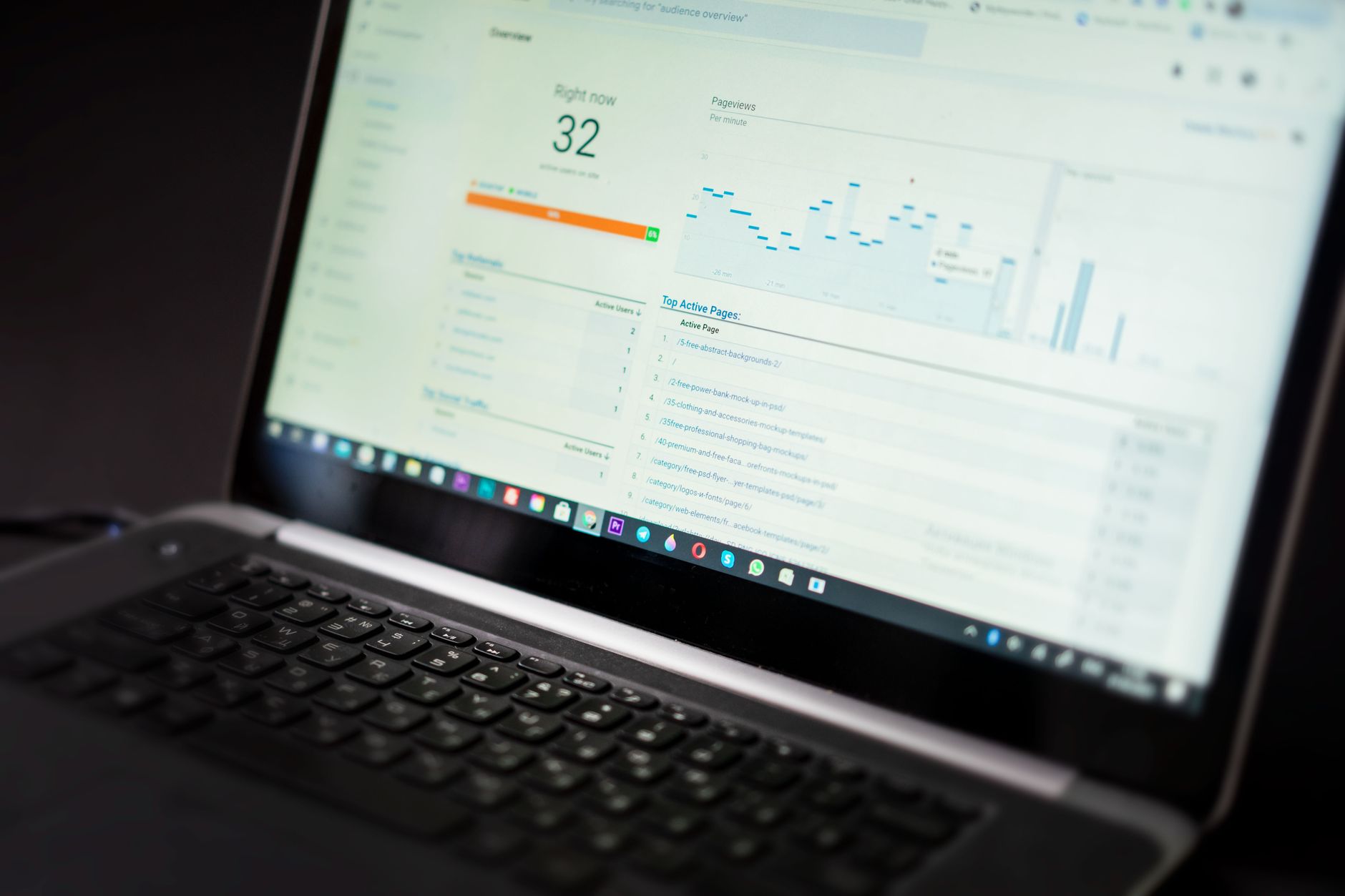
A survey of enterprise marketing leaders found that 82% are either already using AI agents to optimize for search or plan to start soon. The survey also found that companies struggle with measuring whether these tools deliver results. Before you spend money on an AI agent for your own business, understand what data it will require and how you might track its performance.
Key facts
- A survey of 177 enterprise marketing and technology leaders by Conductor, released in November 2026, found that 82% of respondents are deploying AI agents for answer engine optimization or planning to.
- Conductor's survey examined how enterprises adopt, build, and measure AI agents across optimization, content, and reporting workflows.
- Key decisions include whether to build an AI agent in-house or buy one off the shelf, and which teams own the responsibility for results.
What is an AI agent and why does it matter to you
An AI agent is software that acts on your behalf to accomplish a task. In marketing, agents can pull information from your website, your customer data, and search results to answer customer questions or optimize your visibility in AI-powered search tools. The difference between a regular tool and an agent is that an agent can make decisions and take actions without you telling it exactly what to do each time.
For a small business, the appeal is obvious: automate work, save time, reach customers where they search. The risk is just as obvious: you pay for something, it runs in the background, and you may not have a clear way to evaluate its impact.
What should you check before you buy
Start with your data. An AI agent is only as good as the information it has access to. Before you sign a contract, ask the vendor what data it needs from you, where it will get that data, and whether your current systems can provide it. If your business uses a point-of-sale system, a customer database, and a website that do not talk to each other, an AI agent will struggle to work effectively.
Next, decide how you will measure success. The enterprise survey highlights measurement as a challenge companies face when deploying these tools. You need to pick a metric before you deploy the agent, not after. That could be the number of customer inquiries it handles, the quality of answers it gives, the time your team saves, or the number of leads it generates. Pick one. Write it down. Check it monthly.
Finally, decide who owns it. Will your marketing team run the agent, or your IT team, or both. Will your customer service team use it to answer questions, or will it work behind the scenes. Unclear ownership is how tools fail silently.
Build it or buy it
Enterprise companies face a choice between building an AI agent in-house or buying one from a vendor. Building means your team controls it completely but has to maintain it. Buying means you rely on a vendor but get support and updates. For a small business, buying is almost always the right move unless you have a software developer on staff who has time to spare.
What this means for your business right now
You do not have to deploy an AI agent tomorrow. The enterprise survey shows companies are working through adoption and measurement questions, which means the playbook is still being written. If an AI agent solves a specific, expensive problem in your business—like handling customer inquiries or managing your online listings—then explore it. If it is just a shiny new tool, skip it.
Sources
- Know What To Fix Before Scaling AI Agents For AEO In 2027 via @sejournal, @hethr_campbell - Search Engine Journal, November 27, 2026
They did the reporting. The writing and the opinions here are ours.
Questions people ask about this
Should I buy an AI agent for my business in 2027
Only if it solves a specific problem you have today. The enterprise survey shows that 82% of large companies are deploying or planning to deploy AI agents, but measurement remains a challenge. Wait six months, see what works for others, then decide.
What data do AI agents need to work
That depends on what you want the agent to do. At minimum, it needs access to your website, your customer information, and possibly your business systems like scheduling or inventory. Ask any vendor exactly what data it requires before you commit.
How do I know if an AI agent is actually helping my business
You have to decide what success looks like before you buy. Pick one metric—time saved, customer inquiries handled, leads generated—measure it before you deploy the agent, then measure it again after three months.
Should I build an AI agent myself or buy one
Buy one. Building requires a software developer and ongoing maintenance. Unless you have both, a vendor-built tool will save you money and headache.
What percentage of companies are using AI agents for search
A survey of 177 enterprise leaders found that 82% are either deploying AI agents for search or planning to. The survey examined how companies approach adoption, building, and measurement.
Who should own the AI agent in my business
That depends on what it does. If it handles customer questions, your customer service team should own it. If it optimizes your website, your marketing team should. Make this decision clear before you deploy it.
This piece is about Know What To Fix Before Scaling AI Agents For AEO In 2027 via @sejournal, @hethr_campbell, published by Search Engine Journal. Go read the original; the opinions here are ours and the reporting is theirs.