Get your business name right in Google search results
Google picks your site name automatically. Here's how to tell it what you actually want to appear.
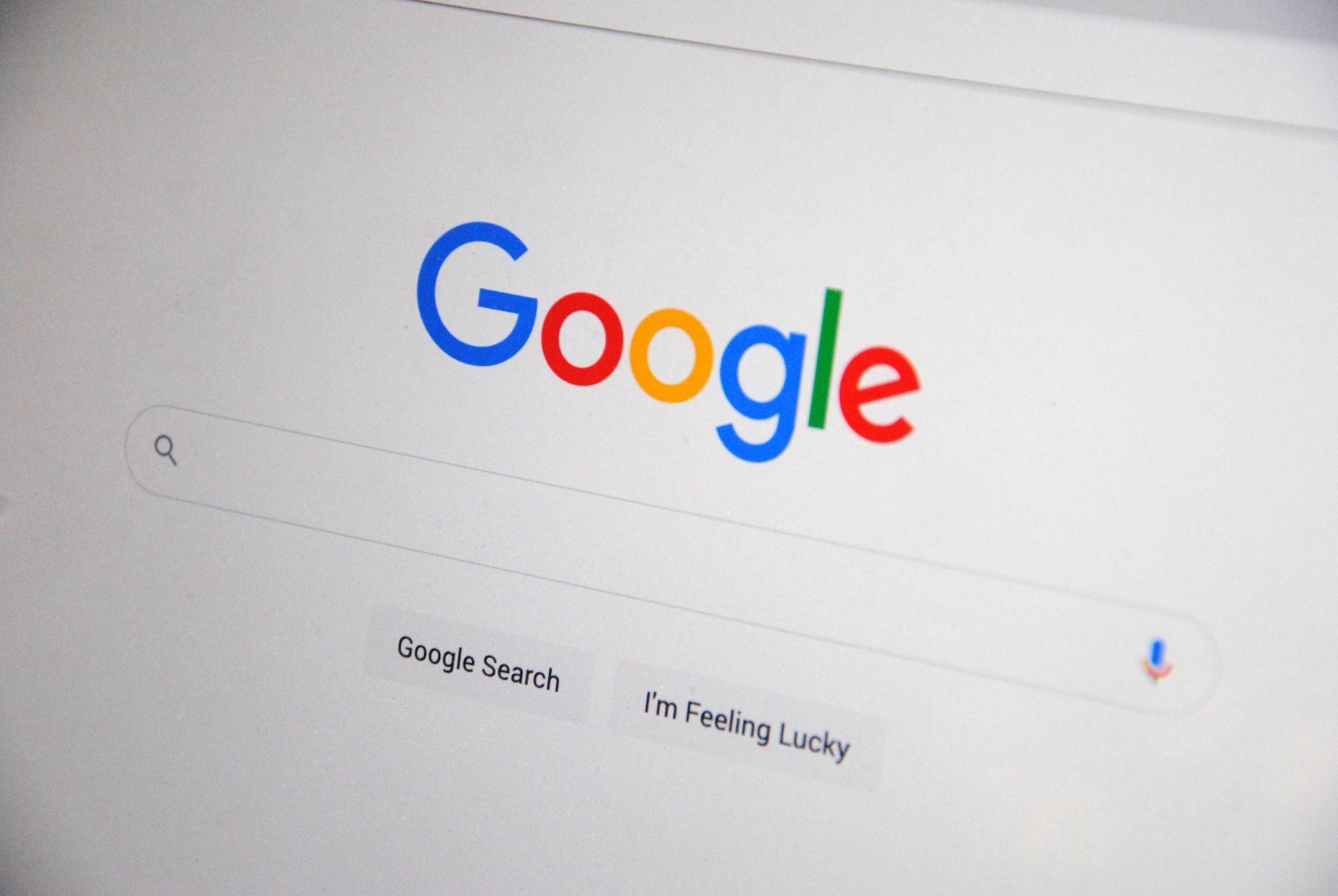
Google shows a site name whenever your business appears in search results. That name comes from your home page, but Google picks it automatically—and it might not be what you want. You can tell Google which name to use by adding a small piece of code to your home page.
Key facts
- Google generates site names automatically from your home page and web references to your site.
- The best way to control your site name is to add WebSite structured data to your home page only.
- You can provide an alternate name (like an acronym or shorter version) as a backup option.
- Google's system considers your preference but may override it if it's not confident in your choice.
Tip 1: Add WebSite structured data to your home page
This is the single most important step. WebSite structured data is code that tells Google what your site is called. You only add it to your home page, not to every page. Ask your web person to add this code—it can be done in JSON-LD, RDFa, or microdata format. The code tells Google your site name and your home page URL. That's it.
Tip 2: Make sure your home page title tag matches your site name
Your home page has a title tag—the text that shows up in the browser tab. Google considers this along with other content when picking your site name. Make sure it matches or closely matches the name you want Google to show. If you're a fence company called Reliable Fence Co., your home page title should say Reliable Fence Co., not something generic like "Home."
Tip 3: Use a heading on your home page that matches your site name
Put your business name in an H1 heading on your home page. This is the big headline visitors see first. Google considers content from your home page when picking a site name. If your structured data says your name is one thing but your home page heading says something different, Google gets confused.
Tip 4: Check the og:site_name tag if you use social media
If you share your home page on Facebook or other platforms, you may have an og:site_name tag in your code. Google looks at this too. Make sure it matches your preferred site name. Your web person can check this in a few seconds.
Tip 5: Provide an alternate name if you have one
If your business goes by more than one name—maybe you use an acronym, or a shorter version—you can list alternatives in your structured data. List them in order of preference. Google will consider the first one, then the second if it's not confident in your top choice. If you're "Johnson's Roofing and Gutter Services" but everyone calls you "Johnson's Roofing," list both.
Tip 6: Keep your site name straightforward
Use your actual business name in your structured data. Google's system works better when the name is clear and matches what appears on your home page. If your site name is vague or inconsistent with your home page content, Google is more likely to ignore it and pick something else.
Tip 7: Test it and wait
After your web person adds the structured data, use Google's Rich Results Test tool (search for it) to check that the code is there and correct. Then wait for Google to update. Google's system may or may not use your preferred name depending on how confident it is in your choice.
What if Google still shows the wrong name?
Google's system is automated and sometimes overrides your preference if it's not confident. If you've done all the steps above and Google still shows a different name, first make sure your structured data is actually on the page (use the Rich Results Test). Then check that your home page content, title tag, and headings all agree on what your site is called. If they don't match, Google gets confused and picks its own name. Make them consistent. If everything matches and Google still won't budge, post a question in the Google Search Central Help Community and describe what you've tried. Google's team monitors that forum.
Sources
- Provide a site name to Google Search - Google Search Central
They did the reporting. The writing and the opinions here are ours.
Questions people ask about this
How do I tell Google what name to show for my business in search results?
Add WebSite structured data to your home page. This is code that tells Google your site name and home page URL. Your web person can add it in JSON-LD format. It only goes on your home page, not every page.
Does Google always use the name I tell it to?
Google prefers the name you provide in structured data, but it may override it if it's not confident in your choice. If Google ignores your preference, make sure your home page title, headings, and structured data all say the same thing.
Can I give Google multiple names for my business?
Yes. You can add an alternateName property to your structured data. List them in order of preference. Google will consider your first choice, then the second if needed.
How long does it take for Google to show my new site name?
After you add the structured data, check your search results to see if the change took effect. Google updates site names automatically but timing varies.
What if I don't add structured data? Will Google still show my business name?
Yes, but Google will pick the name automatically from your home page content and web references. It might not be what you want. Adding structured data gives you control.
Do I need to add this code to every page of my website?
No. You only add WebSite structured data to your home page. Google uses it to understand your site name across your entire site.
This piece is about Provide a site name to Google Search, published by Google Search Central. Go read the original; the opinions here are ours and the reporting is theirs.