Home maintenance basics every business owner should know
Regular upkeep of your building saves money and prevents emergencies that shut down operations.
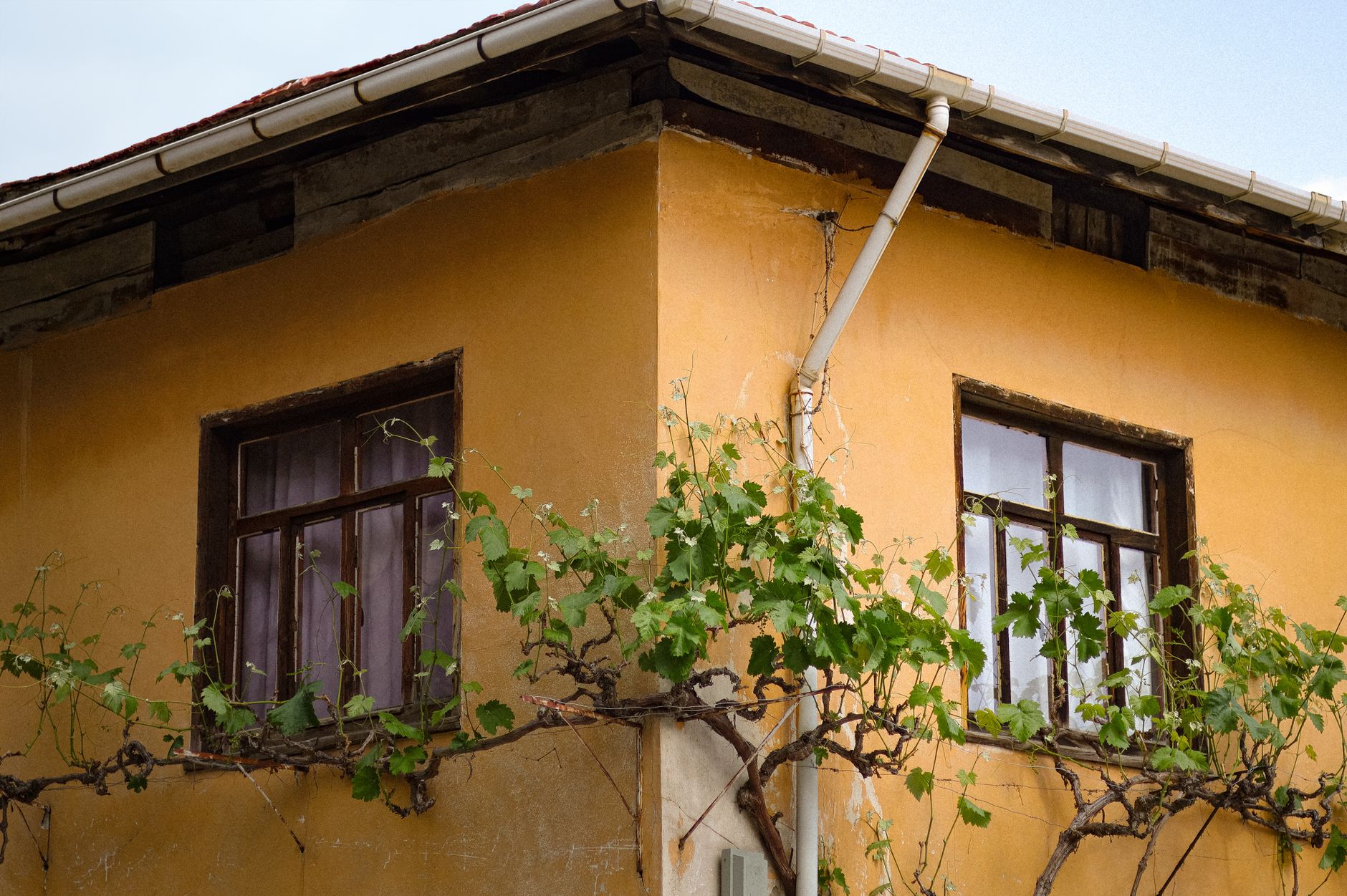
Whether you run a salon, a restaurant, or any other local business, you own or lease a building. That building needs the same basic care a homeowner gives a house. Roof inspections twice a year, clean HVAC filters every few months, clear gutters, and regular plumbing checks prevent small problems from becoming expensive disasters that force you to close your doors.
Key facts
- A small water leak ignored can escalate into major structural damage costing thousands of dollars.
- Dirty HVAC filters can reduce system efficiency by 30 percent and raise energy bills.
- Routine inspections can save up to 10 percent on yearly maintenance costs by catching issues early.
- Roof inspections should happen at least twice yearly, in spring and fall, looking for missing shingles, damaged flashing, and debris.
- HVAC filters need replacement or cleaning every one to three months for proper airflow and indoor air quality.
Why this matters to your business
Your building is not a luxury. It is infrastructure. When your roof leaks, your HVAC fails, or your plumbing backs up, you lose revenue while you wait for repairs. A proactive maintenance schedule costs less than emergency repairs and keeps your business running. Most small operators skip this work because it feels invisible until something breaks.
What to check on your own
You do not need a contractor for everything. Walk your roof twice a year and look for curled or missing shingles, gaps in flashing around vents and chimneys, and debris. Check your gutters for leaves and dirt. Look at your HVAC unit outside and remove any branches or debris blocking airflow. Listen for unusual noises from your heating and cooling system. Check your electrical outlets and switches for signs of wear. These inspections take an hour and cost nothing.
When to call a professional
Hire a qualified technician for annual HVAC inspections, electrical safety checks every few years, and a thorough roof assessment every few years. Do not attempt electrical work yourself. Do not climb on your roof if you are not comfortable with heights. A professional inspection costs money upfront but prevents the kind of emergency that forces you to close for a week.
Energy efficiency as maintenance
Upgrading to ENERGY STAR-rated appliances, adding attic insulation, sealing gaps around doors and windows, and installing a programmable thermostat all reduce your utility bills. These are not luxuries. They are maintenance decisions that lower your operating costs. Attic insulation can lower your heating and cooling expenses by anywhere from 10 to 50 percent depending on what you have now. That money goes straight to your bottom line.
Sources
- 10 Essential Tips for Home Repair and Maintenance - Small Business Trends, October 12, 2026
They did the reporting. The writing and the opinions here are ours.
Questions people ask about this
How often should I inspect my roof
Check your roof twice each year, once in spring and once in fall. Look for curled or missing shingles, gaps in flashing around chimneys and vents, and debris. A professional assessment every few years catches problems you might miss.
How often do I need to replace HVAC filters
Replace or clean your HVAC filters every one to three months. Dirty filters reduce airflow, lower efficiency by up to 30 percent, raise energy bills, and shorten your system's lifespan. Annual professional inspections help catch other issues early.
What is the cost of ignoring small maintenance problems
A small water leak ignored can escalate into major structural damage costing thousands of dollars. Routine inspections can save up to 10 percent on your annual maintenance budget by catching issues early.
How can I reduce my energy bills
Upgrade to ENERGY STAR-rated appliances, which can save between $100 and $400 each year. Add insulation to your attic, which can lower heating and cooling costs by 10 to 50 percent. Seal gaps around doors and windows, and install a programmable thermostat, which can reduce heating and cooling expenses by up to 10 percent.
What should I check on my gutters and downspouts
Clear away debris and check gutters regularly to prevent water damage. Ensure downspouts direct water away from your building's foundation. Regular maintenance prevents costly repairs and protects your structure.
How do I know if my electrical system needs attention
Look for frayed cords, flickering lights, tripped breakers, or unusual odors. Have a qualified technician inspect and test your system regularly, especially if your building is over 30 years old. Safety inspections prevent serious problems.
This piece is about 10 Essential Tips for Home Repair and Maintenance, published by Small Business Trends. Go read the original; the opinions here are ours and the reporting is theirs.