Seven supply chain moves that matter for small operators
A practical guide to the fundamentals that keep goods flowing and costs down, without the jargon.
Supply chain management sounds like something only big manufacturers worry about. It is not. Every local business that buys inventory, materials, or finished goods depends on a supply chain. When yours works, you do not think about it. When it breaks, you lose money fast. The basics matter more than the buzzwords.
Key facts
- Just-in-time inventory management can cut holding costs by up to 25 percent while matching stock levels to actual demand.
- Automated inventory systems can boost accuracy by 30 percent, reducing discrepancies and improving order fulfillment.
- Keeping a small safety stock during peak seasons can prevent stockouts when demand spikes unexpectedly.
- Diversifying your supplier base reduces risk from disruptions like natural disasters or geopolitical shifts.
- Real-time tracking technology helps you monitor stock levels and respond faster to changes.
What should I actually measure?
Pick three to five metrics that matter to your business and track them regularly. Order cycle time tells you how fast you move goods from order to delivery. Inventory turnover shows whether you are sitting on dead stock or moving product too fast and running out. Cost per unit reveals whether your suppliers are giving you fair pricing. These numbers do not need to be complex. A spreadsheet works fine if you update it weekly.
How do I talk to my suppliers?
Your suppliers are not your enemies. They want to keep you as a customer. Open a conversation about what you need and what they can deliver. Share your demand forecasts and production schedules so they can plan better. If a supplier is struggling financially, that becomes your problem later. Check in on their health. When you collaborate on improvements instead of just haggling on price, both sides win. Use whatever system works for you—email, a shared spreadsheet, a phone call. Clarity beats complexity.
What happens if I diversify suppliers?
Putting all your eggs in one supplier basket is a bet that nothing will go wrong. It always does eventually. A fire, a bankruptcy, a shipping delay, a geopolitical event—any of these can shut down your business overnight if you depend on one source. Having two or three suppliers for critical items costs more upfront but saves you when the inevitable happens. Start with your most important materials and work backward from there.
Should I buy more inventory or less?
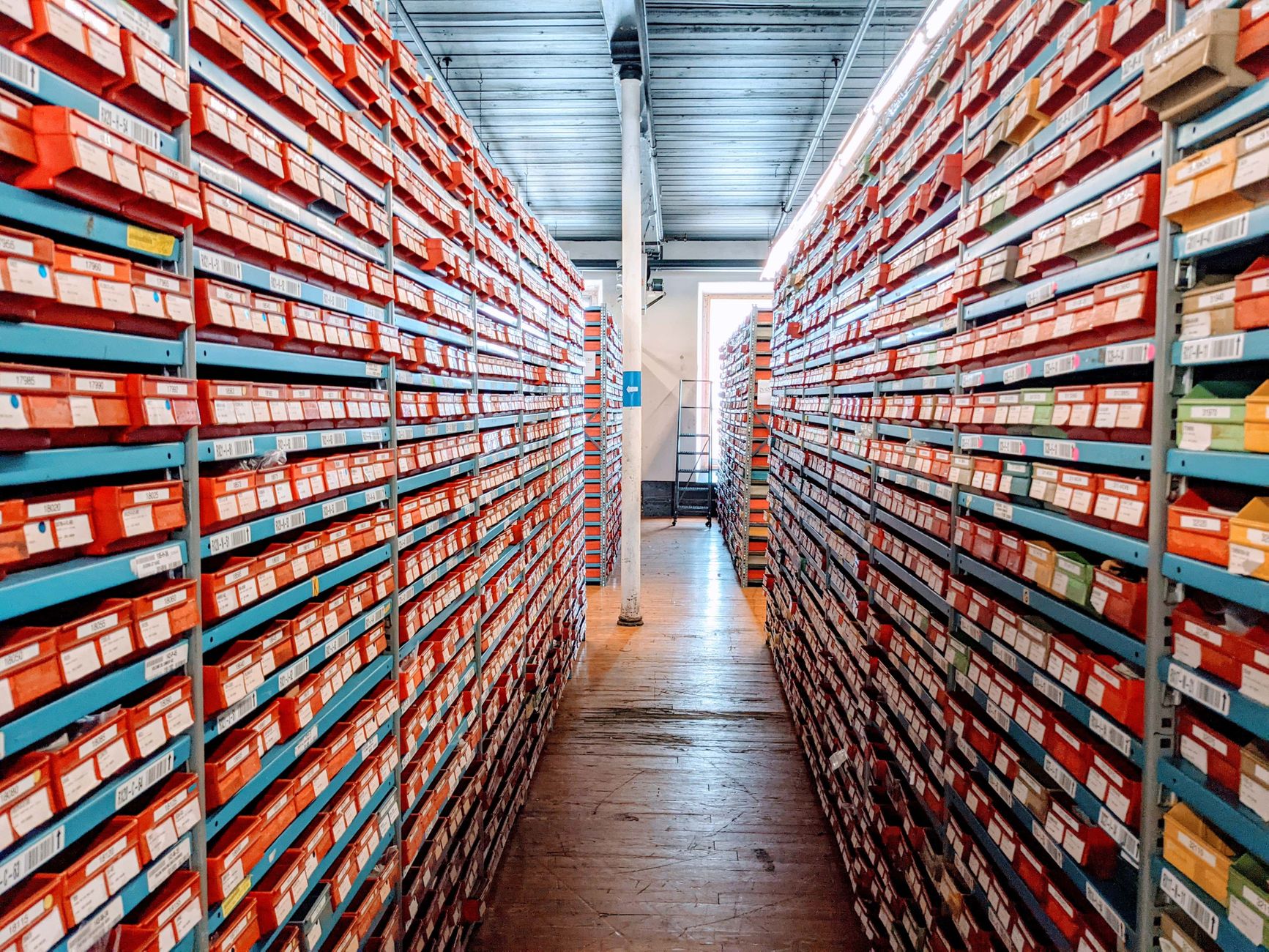
The answer is neither. Buy the right amount. Too much inventory ties up cash and wastes space. Too little and you disappoint customers and lose sales. Just-in-time ordering works if your suppliers are reliable and your demand is predictable. For a restaurant or retail shop, that might mean ordering twice a week instead of once. For a contractor, it might mean ordering materials closer to the job date. Safety stock—a small buffer for unexpected demand spikes—makes sense during your busy season. Real-time tracking of what you have on hand lets you order smarter instead of guessing.
Does sustainability matter to my bottom line?
Yes. Optimizing your delivery routes and consolidating shipments cuts transportation costs and emissions at the same time. Choosing suppliers who meet environmental standards is increasingly important to customers, especially if you serve other businesses. You do not need to go all-in on sustainability to see the benefit. Start with one change—fewer trips, less packaging waste, a more efficient route—and measure the savings.
Sources
- 7 Best Practices for Supply Chain Success - Small Business Trends, November 26, 2026
They did the reporting. The writing and the opinions here are ours.
Questions people ask about this
What is just-in-time inventory and does it work for small businesses?
Just-in-time means ordering goods close to when you need them, rather than stockpiling. It can cut holding costs by up to 25 percent. It works best if your suppliers are reliable and your demand is fairly predictable. A salon or restaurant can use it easily. A contractor might use it for materials on specific jobs.
How many suppliers should I have for each product?
At least two for anything critical to your business. One supplier can fail due to fire, bankruptcy, illness, or events outside anyone's control. Having a backup costs more but protects you from shutting down when the main supplier does.
What metrics should a small business track?
Start with three: how fast you move goods from order to delivery, how often you sell through your inventory, and your cost per unit. Track these weekly or monthly in a simple spreadsheet. These numbers tell you whether your suppliers are reliable and whether you are buying too much or too little.
How do I know if my supplier is in trouble?
Ask them directly about their financial health and operational stability. Late deliveries, quality problems, or sudden price changes are warning signs. If a supplier is struggling, they may not be able to deliver when you need them most.
Can I save money by being more sustainable?
Yes. Optimizing delivery routes and consolidating shipments cuts both transportation costs and emissions. Start with one change and measure the savings.
What should I do if I run out of stock during busy season?
Keep a small buffer of safety stock during your peak season to handle unexpected demand spikes. Balance this against holding costs by using demand forecasts to predict when you will need extra inventory on hand.
This piece is about 7 Best Practices for Supply Chain Success, published by Small Business Trends. Go read the original; the opinions here are ours and the reporting is theirs.