Seven ways to make your business emails worth reading
Email reaches your customers where they already are. Here's how to make them actually open what you send.
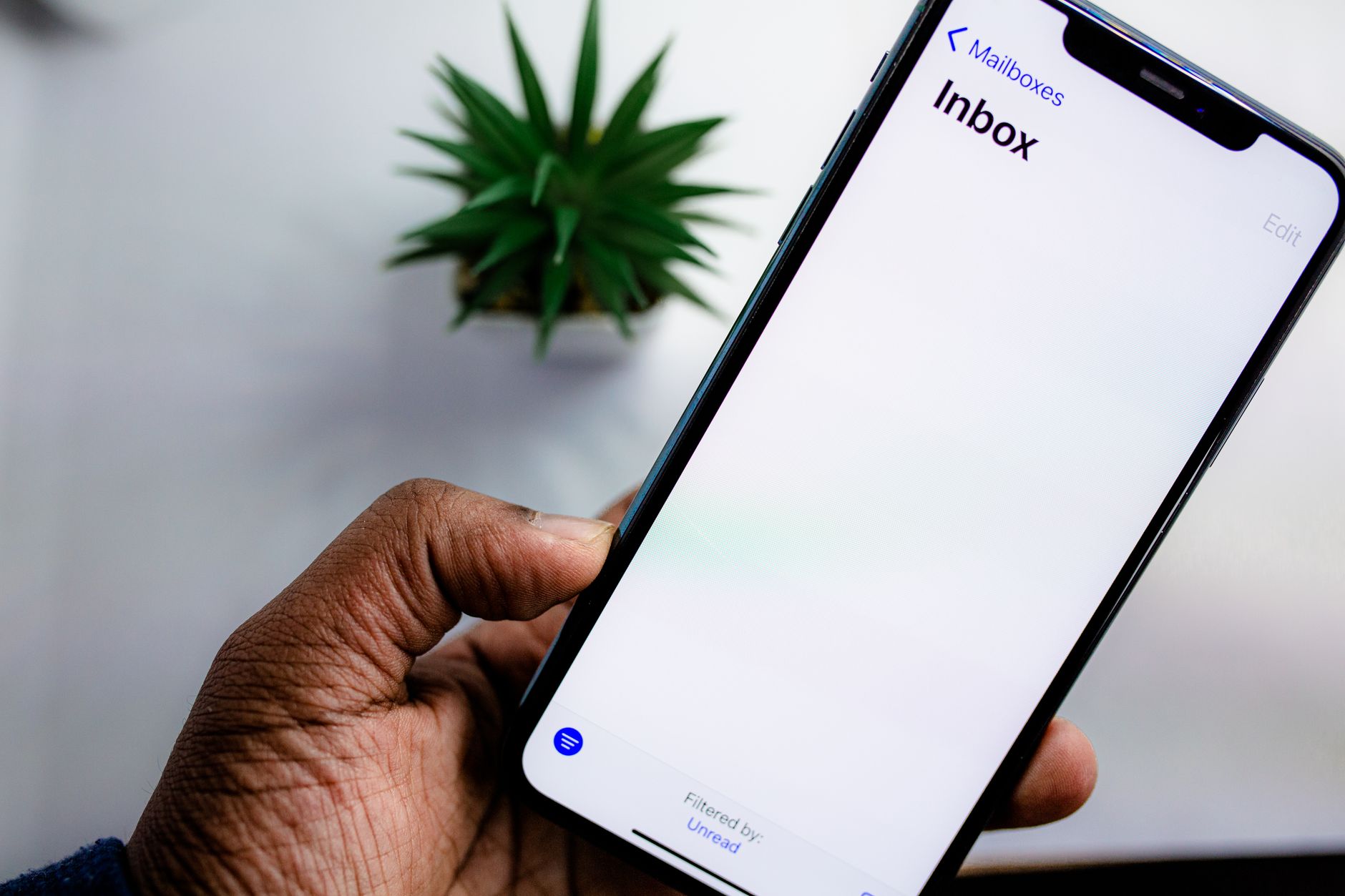
Your email sits in an inbox with hundreds of others. The difference between a message your customer deletes and one they read comes down to a handful of practical choices you control. Email works because it reaches people directly, costs almost nothing to send, and lets you track exactly what lands and what doesn't. The question is how to make yours the one they open.
Key facts
- Email marketing returns an average of $36 for every dollar spent, making it far more efficient than most other marketing channels.
- Personalization—using a customer's name or referencing past behavior—measurably increases engagement and builds loyalty.
- Every email is trackable: you can see open rates, clicks, and conversions to learn what works and what doesn't.
- Consistent, regular contact builds trust and keeps customers thinking of your business when they need your service.
- Clear calls-to-action, placed strategically in the email, guide readers toward the action you want them to take.
Tip 1: Use the person's name and reference what you know about them
A generic blast to your entire list feels like spam. Instead, segment your list by what matters: past purchases, the service they asked about, or when they last visited. Then write to that segment as if you're speaking to one person. If someone bought a deck from your fence company two years ago, mention it. If they clicked on your roofing email last month, reference that. This takes five minutes per segment and dramatically increases the chance they'll read the whole thing.
Tip 2: Send on a schedule your customers expect
Consistency matters more than frequency. If you send an email every Tuesday, your subscribers start looking for it. If you send randomly, they forget you exist. Pick a day and time that makes sense for your business—a salon might send Thursday afternoon reminders, a contractor might send Monday morning tips—and stick to it. Your customers will start recognizing your name in their inbox and actually want to open it.
Tip 3: Write a subject line that tells the truth and makes them curious
The subject line is your only shot. It should tell the reader what's inside without lying or overselling. "Spring maintenance tips for your roof" works better than "Don't miss this." If your open rates are low, test different subject lines on small groups first. Send one version to half your list and another version to the other half, then use whichever gets opened more next time. This takes no extra work and teaches you what your customers actually want to read.
Tip 4: Put your strongest call-to-action near the top
Don't bury what you want them to do at the bottom. If you want them to book an appointment, call you, or visit your website, put that button or link high in the email where they see it before scrolling. Then repeat it again at the end. Small changes in where you place your call-to-action can meaningfully increase how many people actually click it. Test moving it around and watch your click rates change.
Tip 5: Make your brand voice recognizable
Your emails should sound like you, not like a corporation. If you're a casual, friendly salon owner, write casual and friendly. If you're a serious, detail-focused contractor, be serious and detailed. Use the same colors, the same tone, the same style every time. Over time, your customers will recognize your email before they even read the subject line and will look forward to opening it. This builds trust and keeps your business top-of-mind.
Tip 6: Give them something useful, not just a sales pitch
The email doesn't always have to sell. Share a tip, a seasonal reminder, a behind-the-scenes look at your business, or a story about a customer problem you solved. When your subscribers see value in opening your emails—not just discounts—they're more likely to actually read them and stay subscribed. This builds a relationship, not just a transaction.
Tip 7: Check your numbers and learn from them
Every email tells you something. Look at your open rate. Look at your click-through rate. If one email got opened way more than the last one, ask yourself why. Was it the subject line? The topic? The day you sent it? If a call-to-action got fewer clicks than you expected, try rewording it or moving it. This feedback loop costs you nothing and makes your next email better than the last one.
Why email still works
Email isn't flashy like social media or text messaging. But it's the channel your customers have already invited you into. Access to someone's inbox is earned trust. That's why email delivers results that other channels can't match. You're not competing for attention in a crowded feed. You're speaking directly to someone who chose to hear from you. Treat that privilege with respect, and your emails will get opened.
Sources
- The ultimate guide to email marketing - HubSpot
They did the reporting. The writing and the opinions here are ours.
Questions people ask about this
How often should I email my customers?
Pick a schedule you can stick to—weekly, twice a month, or monthly—and send on the same day and time. Consistency matters more than frequency. Your customers will start expecting your email and looking for it.
What should I write about if I'm not selling anything?
Share useful information: seasonal tips, how-to advice, behind-the-scenes stories, or solutions to common problems your customers face. When people see value in your emails beyond sales pitches, they're more likely to open them and stay subscribed.
How do I know if my emails are working?
Track your open rates, click-through rates, and which calls-to-action get the most clicks. Compare what worked in one email to what didn't in another. Use that information to adjust your subject lines, timing, and placement of buttons in your next email.
Should I personalize every email?
Yes. Use the person's name and reference something specific about them—a past purchase, a service they asked about, or an email they opened before. Even small personal touches make emails feel less like spam and more like a message meant for them.
Where should I put my call-to-action button?
Put it near the top of the email where people see it without scrolling, then repeat it again at the bottom. Test moving it around and watch your click rates change. Small changes in placement can meaningfully increase how many people actually click.
Is email marketing expensive?
No. Most email platforms offer affordable or free plans. Email returns an average of $36 for every dollar spent, making it far more cost-effective than print ads, TV, or most other marketing channels.
This piece is about The ultimate guide to email marketing, published by HubSpot. Go read the original; the opinions here are ours and the reporting is theirs.