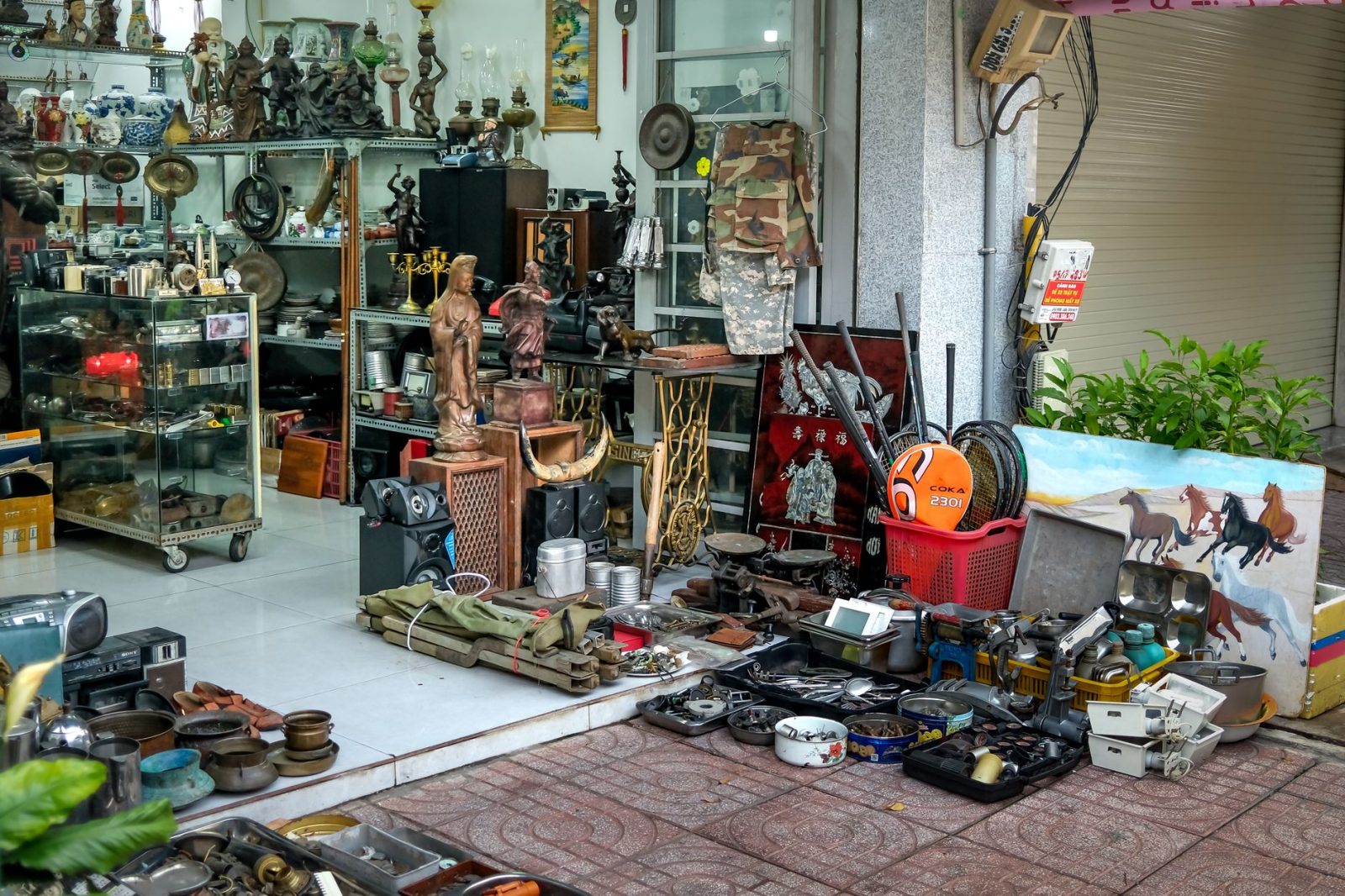
The secondhand boom is real. Should your shop join it?
Americans are buying used goods at record rates. Here's what that means for your business and how to decide if it fits.
eBay released its 2026 Recommerce Report in November showing that buying and selling secondhand goods has moved from niche to mainstream. The shift matters to you because younger shoppers especially are hunting for used items, and traditional retailers are already moving into this space. The question is whether your business should follow.
Key facts
- The average American household holds thousands of dollars in items that could be resold, according to eBay executives.
- Among people aged 18 to 29, 46% buy secondhand items weekly or bi-weekly, compared to 28% across all age groups.
- Younger buyers value secondhand shopping for uniqueness and creativity, not just price.
- Large retailers are already adding resale platforms to their business models.
- The holiday season is expected to see a surge in secondhand gift-giving.
What does this mean for a small business?
If your customer base skews young or if you operate in a community that values sustainability, secondhand goods could be worth exploring. You would not be chasing a fad. The trend is real and growing. But jumping in without a plan is a mistake. Sourcing quality used items takes time. Pricing them to cover your costs while staying competitive is harder than it looks. And returns and quality control become headaches fast when you are dealing with used merchandise.
How could you actually do this?
A trade-in program is the simplest entry point. Let customers bring in items they no longer want and offer them store credit. You get inventory without hunting for it. Your customers feel heard and stay loyal. You avoid the sourcing problem entirely. Another option: if you have a community of regular customers, ask them to bring in gently used goods you can resell on consignment. You take a cut, they get paid, and you move the risk to them.
Creating a small curated section of secondhand items is lower risk than overhauling your entire inventory. Start with one category that makes sense for your business. A salon might resell high-end hair tools. A restaurant could sell vintage barware or cookbooks. A fence company could resell tools or outdoor decor. Test the market before you commit.
What are the real obstacles?
Quality control is the biggest one. A used item that looks fine in your shop might disappoint a customer at home. You will need a clear return policy and the willingness to eat some losses. Pricing is the second obstacle. You have to know the market value of used goods in your category, which takes research. Underprice and you lose money. Overprice and it sits. The third is time. Sourcing, inspecting, photographing, and listing secondhand items is labor-intensive. If you are already stretched thin, this will add burden.
Should you do this?
Only if it fits your brand and your customer base. Do not add secondhand goods because competitors are doing it. Do it because your customers are asking for it or because it solves a real problem for your business. If you decide to try, start small, measure results, and scale only if it works. The secondhand market is growing, but that does not mean it is right for every business.
Sources
- Growing Trend: Americans Embrace Secondhand Shopping for Unique Bargains - Small Business Trends, November 5, 2026
They did the reporting. The writing and the opinions here are ours.
Questions people ask about this
Is secondhand shopping really growing or is this just hype?
It is growing. eBay's 2026 report shows that nearly half of people aged 18 to 29 buy used items weekly or bi-weekly. Large retailers are already adding resale to their business models. This is not a passing trend.
Can a small business make money selling used goods?
Yes, but margins are tighter than new goods. The advantage is lower cost of goods. The challenge is sourcing quality items and pricing them right. A trade-in program or consignment model reduces your sourcing burden.
What is the easiest way for a small business to start selling secondhand?
Start with a trade-in program where customers bring items for store credit, or a consignment arrangement with regular customers. Both let you build inventory without hunting for it yourself.
What kinds of businesses should consider selling used goods?
Any business whose customers value sustainability or uniqueness. A salon could resell tools, a restaurant could sell vintage items, a fence company could resell equipment. Think about what makes sense for your category.
What are the biggest risks of selling secondhand items?
Quality control, pricing, and time. Used items vary in condition, so returns are common. Pricing requires market research. And sourcing, inspecting, and listing takes labor. Start small to test before you commit.
Do I have to do this to stay competitive?
No. Only add secondhand goods if your customers want them or if it solves a real problem for your business. Do not do it just because others are. A small focused business beats a scattered one.
This piece is about Growing Trend: Americans Embrace Secondhand Shopping for Unique Bargains, published by Small Business Trends. Go read the original; the opinions here are ours and the reporting is theirs.