Track your equipment before it costs you money
A practical guide to managing the physical assets your business depends on—and why it matters more than you think.
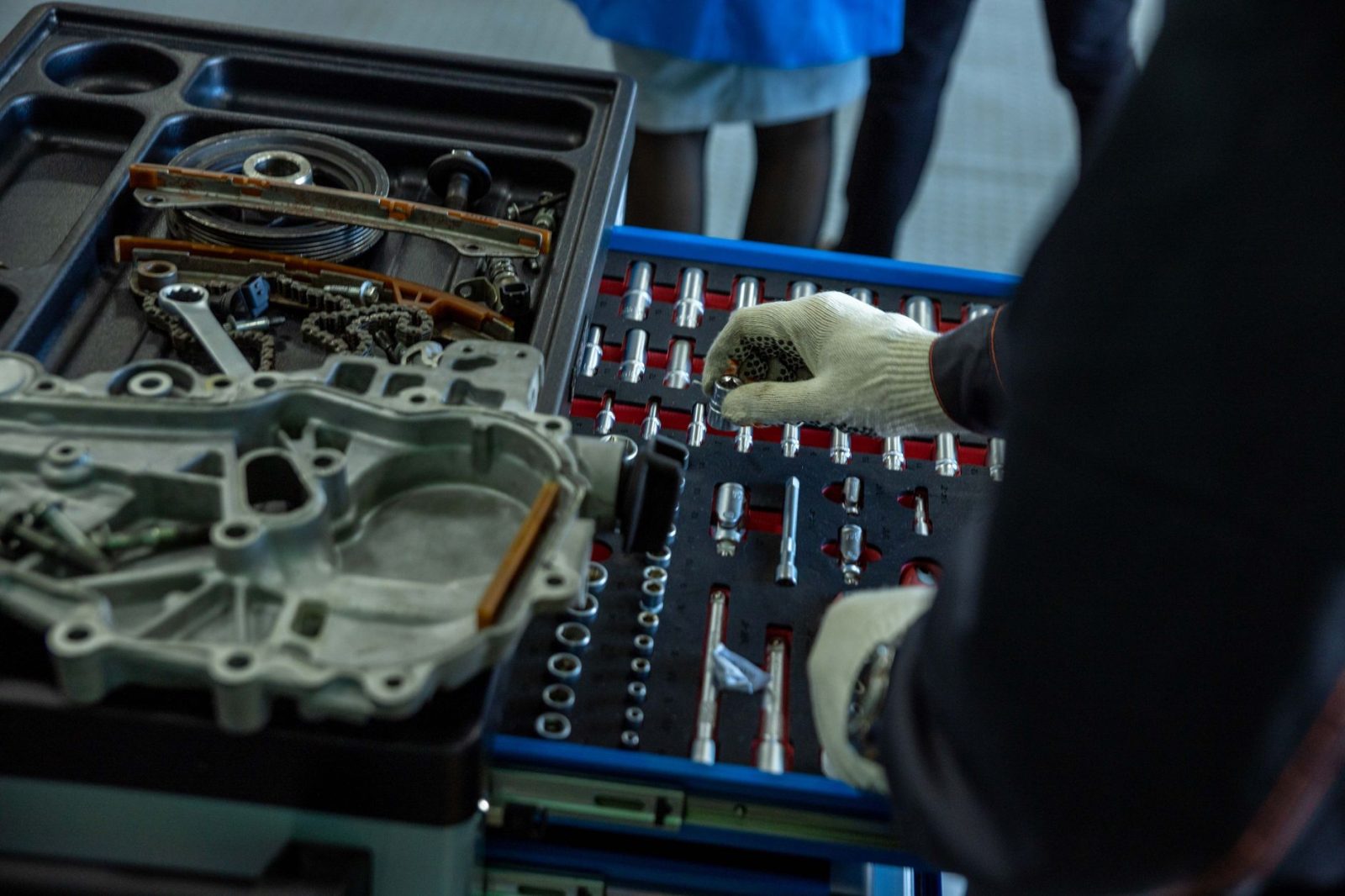
Fixed asset management sounds like something only big companies worry about. It is not. Every business owns things—equipment, tools, vehicles, furniture—that wear out, break down, or go missing. Keeping track of them, maintaining them properly, and knowing what you actually own can save you thousands of dollars and keep your operation running smoothly.
Key facts
- A centralized record of all your assets improves accuracy and helps you meet financial reporting standards.
- Regular audits catch missing or misplaced equipment before small problems become expensive ones.
- Technology like barcode scanning and cloud-based tracking reduces manual errors and saves time.
- Predictive maintenance—scheduling repairs based on actual equipment condition rather than guesswork—can cut maintenance costs by 20 to 30 percent.
- Staff training on asset care and maintenance protocols directly extends the life of your equipment.
Why should a small business care about this
You probably do not think much about your assets until something breaks or you cannot find it. That is the problem. A roofer with a missing ladder, a salon with aging dryers that fail during a busy Saturday, a restaurant with equipment that breaks down unexpectedly—these situations cost money and damage your reputation. When you know what you own, where it is, and what condition it is in, you make better decisions about repairs, replacements, and spending.
Where to start: the asset register
Write down everything your business owns that costs real money and lasts more than a year. Equipment, vehicles, tools, furniture. For each item, record what it is, when you bought it, what it cost, and where it is. This does not have to be fancy—a spreadsheet works fine to start. The point is to have one place where you can look and see what you have. As you grow, you can move to cloud-based software that tracks everything automatically.
Audit regularly and catch problems early
Once a year, walk through your business and check that the items on your list are actually there and actually work. Look for equipment that has gone missing or is no longer in use. These "ghost assets" sit on your books but do not exist anymore, which creates problems when you file taxes or try to sell the business. Regular audits also help you spot equipment that is wearing out so you can fix it before it fails completely.
Use technology to reduce headaches
If you have a lot of assets, barcode scanning or simple tracking software can save you hours. You scan an item, the system records it, and you have an instant record. Cloud-based tools let you access your asset list from anywhere and automate reports. You do not need an expensive system—many small-business tools are affordable and simple to use.
Maintain before things break
The real money is in preventing failures, not fixing them after they happen. Schedule regular maintenance checks on your critical equipment. Keep records of what you did and when. If you have equipment that is expensive or mission-critical, look into tools that predict when maintenance is needed based on how the equipment actually performs. This approach costs less than waiting for something to break and then rushing to fix it.
None of this requires a large investment or a dedicated staff member. It requires discipline and a system. Start small, keep it simple, and build from there. Your future self will thank you when you avoid an expensive breakdown or know exactly what you own when it comes time to make a business decision.
Sources
- 7 Essential Best Practices for Fixed Asset Management - Small Business Trends, October 18, 2026
They did the reporting. The writing and the opinions here are ours.
Questions people ask about this
What is fixed asset management and why does a small business need it
Fixed asset management is tracking and maintaining the physical things your business owns—equipment, tools, vehicles, furniture. You need it because it helps you avoid losing track of expensive items, prevents costly breakdowns, and makes sure your financial records are accurate.
How do I start tracking my business assets
Start by listing everything your business owns that costs real money and lasts more than a year. Record what it is, when you bought it, what it cost, and where it is. A spreadsheet is fine to begin with. Once a year, walk through and verify everything on your list is actually there.
Can tracking assets really save me money
Yes. Regular maintenance based on actual equipment condition instead of guesswork can cut maintenance costs by 20 to 30 percent. Catching problems early prevents expensive emergency repairs. Knowing what you own helps you make smarter decisions about replacements and spending.
Do I need expensive software to manage assets
No. A spreadsheet works fine for a small business starting out. As you grow, affordable cloud-based tools can automate tracking and reporting. Simple barcode scanning can also save time if you have many items to track.
What are ghost assets and why do they matter
Ghost assets are items that are on your books but no longer exist—they have been lost, sold, or discarded but never removed from your records. They create problems with your financial statements and tax filings. Regular audits help you find and remove them.
How often should I audit my assets
At least once a year. Walk through your business and verify that the items on your list are actually there and in working condition. This helps you catch missing equipment, spot items that need maintenance, and keep your records accurate.
This piece is about 7 Essential Best Practices for Fixed Asset Management, published by Small Business Trends. Go read the original; the opinions here are ours and the reporting is theirs.