Write better Google snippets to get more clicks
The short description under your link in search results is your pitch. Here's how to make it work.
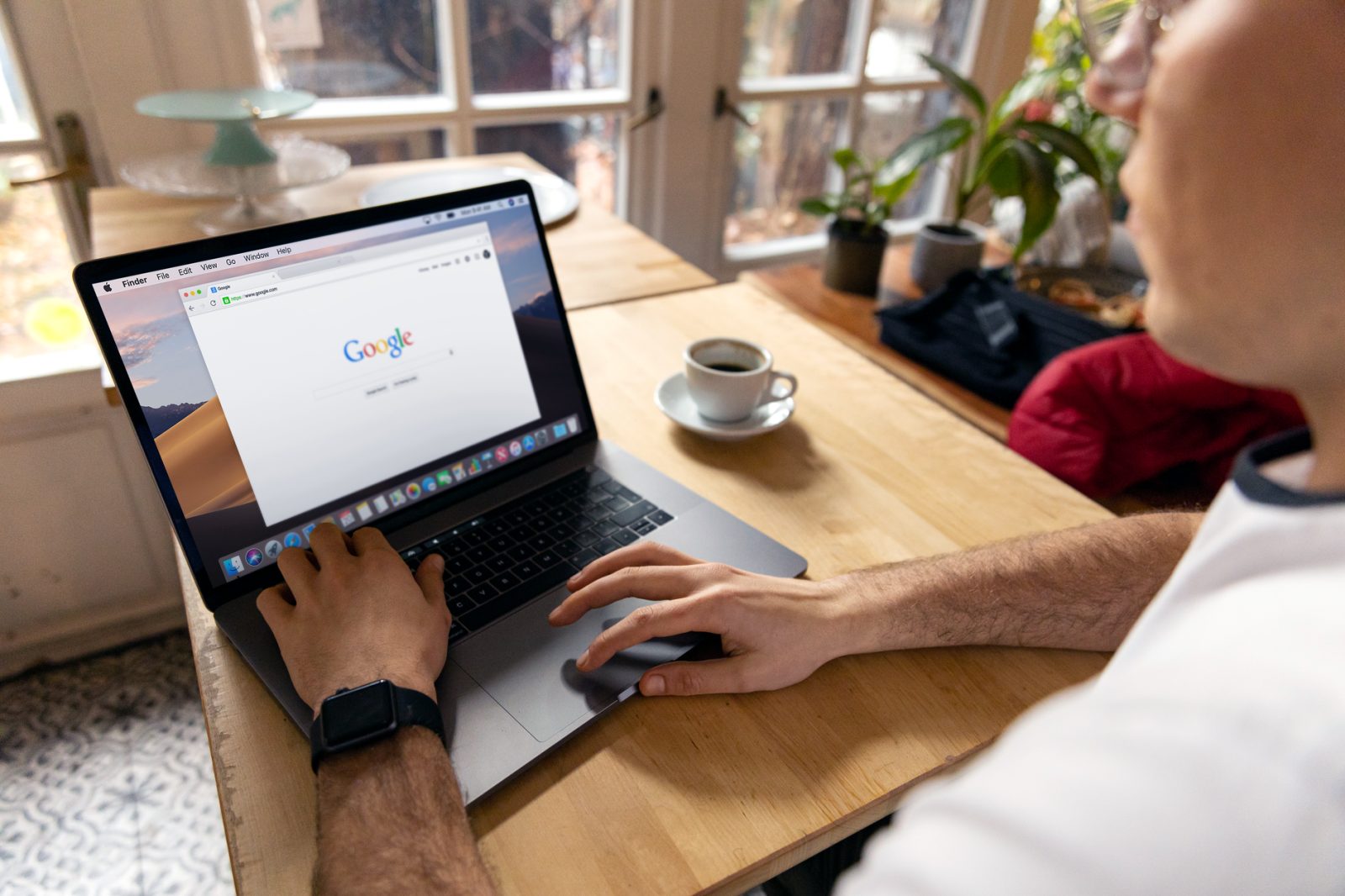
The short text that appears under your business name and link in Google search results is called a meta description. It's your chance to convince someone to click. Google pulls this text from a field in your website code, or sometimes from your page content if it thinks that better matches what someone searched for. You write the description, though Google may choose to show something else.
Key facts
- Google displays the meta description you write, or pulls text from your page if it thinks that works better for the search.
- The description appears on desktop, mobile, and social media when someone shares your link.
- Search engines may cut off your text depending on screen size, so the first 50 to 160 characters are what most people see.
- A meta description does not directly affect your search ranking, but it influences click-through rates.
Tip 1: Write one for every page that matters
Do not use the same description on your home page, your services page, and your contact page. Each one should describe what that specific page actually contains. If you have many product pages or service offerings, start with your top ten. A unique description for your home page and your most popular pages will move the needle faster than generic text everywhere.
Tip 2: Lead with what the customer gets
Think of the description as an elevator pitch. Someone typed a search term and found you. In two sentences, tell them why your page answers their question. "Fence installation and repair in Knoxville" is better than "Welcome to ABC Fencing." For a salon: "Haircuts, color, and styling for men and women, open Tuesday through Saturday" beats "Full-service salon." Put the benefit first.
Tip 3: Add practical details they need
Your description is not a place for flowery language. It is a place for facts that help someone decide to click. Hours of operation, location, price range if you have one, what you specialize in, whether you offer online booking—these details belong in the description. Google will sometimes bold the words that match what someone searched for, so practical information makes your link stand out.
Tip 4: Use keywords naturally, not as a list
If you are a roofer, use the word "roofer" or "roofing" in your description. If you serve a specific area, mention it. But do not write "roofing roofer roof repair roofer Knoxville." That looks like spam and people will not click it. Write the way you talk to a customer on the phone. The keywords will be there, but the sentence should make sense.
Tip 5: Tell them what to do next
End with a small call to action. "Call for a free estimate," "Book online," "Learn more," or "Get started today" gives the reader a reason to click. It does not have to be fancy. It just needs to be clear.
Tip 6: Keep it short enough to not get cut off
Aim for 50 to 160 characters—roughly what fits on a phone screen. If you write much longer, Google will cut it off with an ellipsis and your message stops mid-thought. Check how your description looks on both mobile and desktop before you publish it. Most website platforms let you preview this.
Tip 7: Test and adjust
After three months, look at your click-through rate in Google Search Console, which is free. If one description is getting fewer clicks than another, rewrite it. Try a different angle. Add a detail you left out. You do not have to get it perfect the first time. Testing different approaches on your top pages lets you see what works for your audience.
Sources
- Control your snippets - Google Search Central
- Meta description - Moz
They did the reporting. The writing and the opinions here are ours.
Questions people ask about this
Does the meta description affect my Google ranking?
Not directly. But a good description can improve click-through rates, which may indirectly influence rankings. The main job of the description is to convince people to visit your page.
What happens if I don't write a meta description?
Google will pull text from your page content instead. It might work fine, or it might pull something awkward or irrelevant. Writing your own gives you control over the message.
How many characters should a meta description be?
Aim for 50 to 160 characters. On a phone, anything longer gets cut off. On a desktop, you have a bit more room, but shorter is safer. Test on both devices before you go live.
Can I use the same description on multiple pages?
You can, but it is not smart. Each page should have its own description that matches what is actually on that page. Generic text will not work as well.
Where do I write the meta description in my website?
It goes in a field in your website's code, in the HTML head section. If you use WordPress, Wix, Squarespace, or another platform, there is usually a field labeled "Meta Description" or "SEO Description" right where you edit the page.
Will my meta description appear the same on social media?
Yes. When someone shares your link on Facebook, Twitter, or LinkedIn, the meta description often appears as the preview text. A good description works for both search results and social sharing.
This piece is about Control your snippets, published by Google Search Central. Go read the original; the opinions here are ours and the reporting is theirs.