Your website needs to work on phones right now
Mobile optimization is no longer optional for any business selling online. Here's what actually matters.
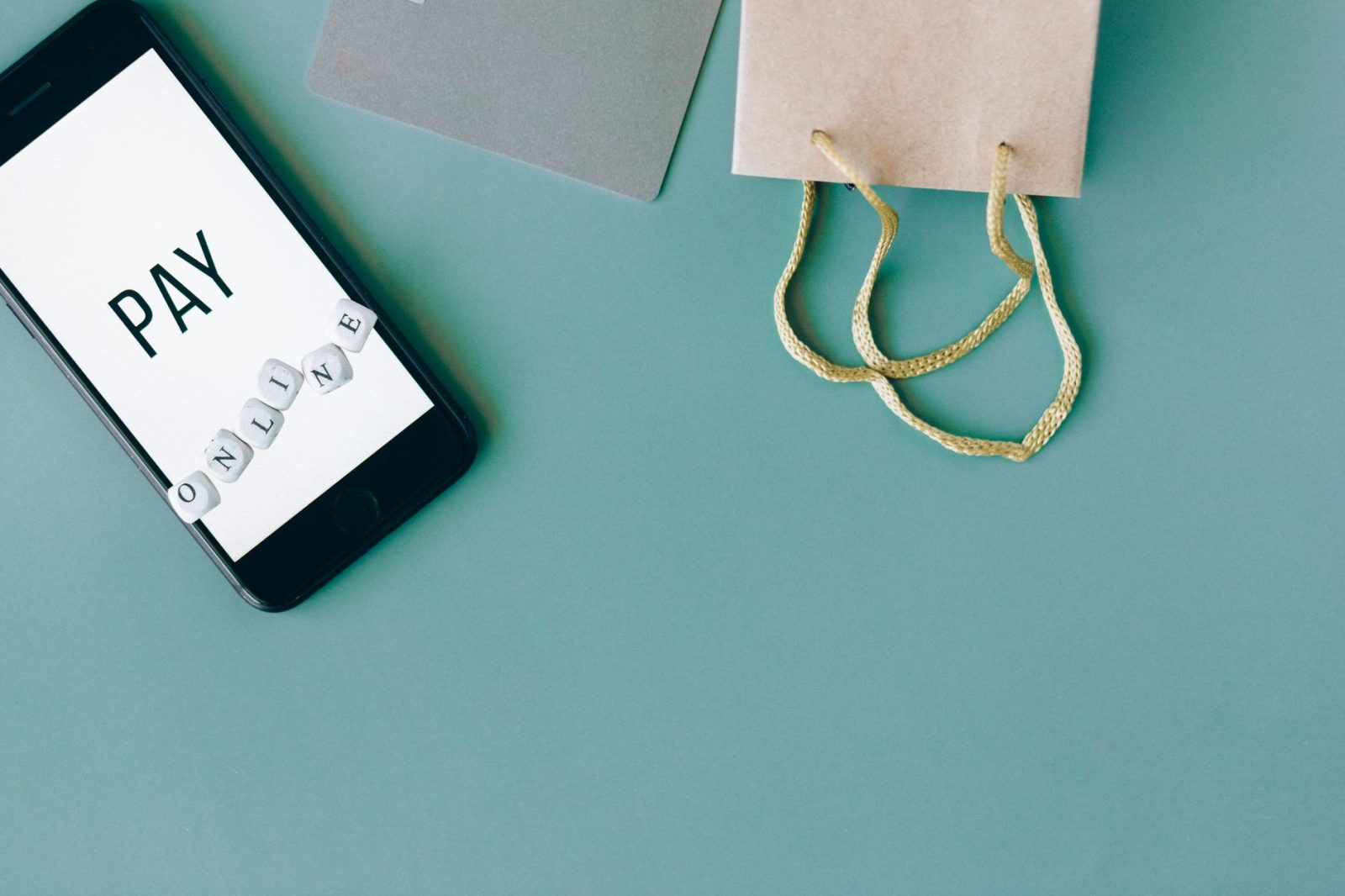
If you sell anything online—even a little—your website may be costing you sales because it doesn't work well on phones. More than three-quarters of people shopping online use smartphones, and if your site takes more than three seconds to load or makes them pinch and zoom to see what they're buying, they leave. This is not a nice-to-have. It's the foundation everything else sits on.
Key facts
- Seventy-seven percent of retail traffic comes from mobile devices.
- Fifty-three percent of mobile users abandon a site if it takes longer than three seconds to load.
- More than 54 percent of clicks go to the top three search results.
- Personalized emails about abandoned shopping carts can bring back up to 15 percent of those lost sales.
- Product videos showing how something works can lift conversion rates by up to 144 percent.
What should I actually fix on my website first
Start with speed and layout. Make sure your site responds to different screen sizes—buttons should be big enough to tap without zooming, text should be readable without sideways scrolling, and images should load fast. Test it yourself on your phone right now. If you have to pinch to read anything or wait for images, so does every customer.
Next, simplify how people find things. Reduce the number of clicks to get to a product or to checkout. Every extra step is another place someone leaves.
Then look at your checkout process. Add autofill options so people don't have to type their address twice. Bigger buttons help too. These small changes add up.
How do I get found in search results
Use Google Keyword Planner or similar tools to find words people actually type when they're looking for what you sell. Put those words in your product descriptions and in the invisible tags search engines read (called meta tags). Update your descriptions regularly as new search terms emerge.
Add alt text to your images—this helps search engines understand what the pictures show, and it helps people using screen readers. Since more than half of all clicks go to the top three results, aiming for those spots is worth the effort.
What should I do with email
Seventy-four percent of people prefer to get updates and offers by email. Send personalized messages based on what they actually looked at on your site. If someone abandons their cart, send them a reminder soon after—within an hour is ideal to keep your offer fresh in their mind. Include a limited-time offer if you can—urgency works.
Test different send times and frequencies to see what gets responses. Track which emails get opened and clicked so you can do more of what works.
Do I need to use social media and influencers
Social media matters, but for a small local business, focus on what you can actually do consistently. User-generated content—photos customers post of your product or service—builds trust better than anything you write about yourself.
If you work with influencers, smaller ones with real connections to their followers often deliver better results than big names. But this is not urgent. Fix your website first.
How do I know if any of this is working
Watch your conversion rate—the percentage of visitors who actually buy something. Track where people drop off in the checkout process. Use Google Analytics or similar tools to see which pages people visit and which ones they leave quickly. If your cart abandonment rate is high, focus on making checkout faster and easier before anything else.
My opinion: mobile optimization feels technical and boring, which is why many operators put it off. But it's the difference between a website that makes money and one that doesn't. Spend a weekend on this.
Sources
- 10 Proven Strategies for Ecommerce Traffic Growth - Small Business Trends, November 9, 2026
They did the reporting. The writing and the opinions here are ours.
Questions people ask about this
What percentage of online shoppers use phones
More than 77 percent of retail traffic comes from mobile devices. If your site doesn't work on phones, you're losing most of your potential customers.
How fast should my website load on mobile
Aim for three seconds or less. Fifty-three percent of mobile users leave if a site takes longer than that to load.
How do I recover abandoned shopping carts
Send a personalized email reminder soon after someone leaves—within an hour works best. Include a limited-time offer if possible. This approach can recover up to 15 percent of lost sales.
What's the best way to show products online
Use high-quality images from multiple angles and add videos showing the product in use. Videos can increase conversion rates by up to 144 percent. Optimize images so they load quickly.
How do I rank higher in Google search results
Research the words people type when looking for your product, then use those words in your product descriptions and image tags. More than 54 percent of clicks go to the top three search results.
Should I use email marketing
Yes. Seventy-four percent of people prefer getting updates and offers by email. Personalize messages based on what they looked at on your site.
This piece is about 10 Proven Strategies for Ecommerce Traffic Growth, published by Small Business Trends. Go read the original; the opinions here are ours and the reporting is theirs.